
The system aims to recycle 90% of the products covered by 2029, according to those responsible for the initiative.
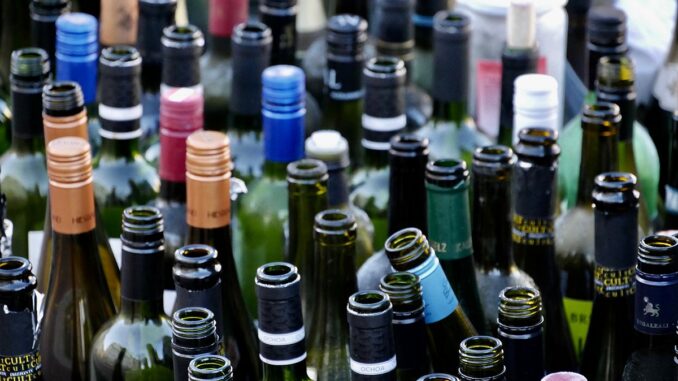
Regarding the non-inclusion of glass packaging in the machines, a criticism from environmental associations, the Minister of the Environment said that glass has a different system and that it cannot be crushed in this way and that at the moment it would not have a great advantage compared to the use of the glass recycling bin.
“In the case of glass SDRs, they do not have a great advantage over the system we already use, glass,” explained the minister.
After being asked whether the inclusion of glass in the SDR would be worth it to meet the recycling targets for this material, which are currently below target, Maria da Graça Carvalho said that first it is necessary to understand the mechanics of glass.
“We have to pay close attention to cost-benefit and that’s what needs to be looked at for glass, to see what the best solution is,” said the minister.
Although SDR focuses on recycling, Maria da Graça Carvalho indicated that investments are also being made in the reuse of packaging, through the Recovery and Resilience Plan. (PRR)
“We now have investments in the various operational programs of the Cohesion Fund, Sustainable 2030 and regional ones”, he added.
From this Friday, as long as they have the Volta symbol, are intact, without liquids, with a lid and with the barcode, packages are accepted in any of the 2,500 machines spread across the country, more than 8,000 manual collection points and 48 kiosks for large quantity deliveries. They will be, for example, close to supermarkets.
Until August 9th, the SDR is in the transition phase and therefore it is natural that products without the logo are on sale, which are therefore not accepted by the machines.
However, when purchasing the drink, the consumer also did not pay the extra 10 cents for the packaging.
The SDR system is already implemented in several European countries, such as Germany, Austria or Denmark, and annually collects more than 35 billion packages, involving around 357 million inhabitants.
Leave a Reply