
The keys
nuevo
Generated with AI
nuevo
Generated with AI
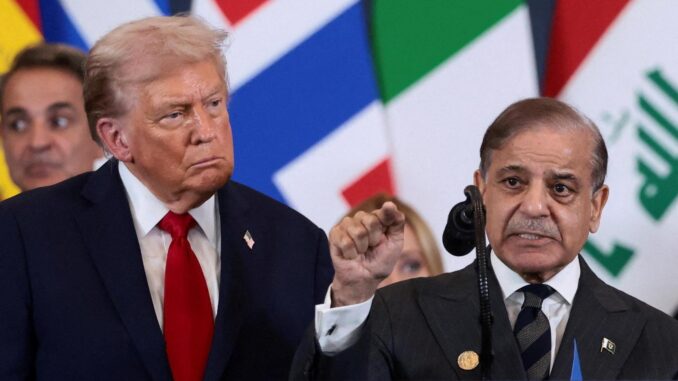
The truce between USA e Iransigned thanks to the mediation of Pakistanis not without suspicions. Pakistani Prime Minister Shehbaz Sharifurged both from the networks “to seek a peaceful solution.”
The president intervened with a message on the social network ‘X’ a few hours before the deadline agreed by Donald Trump to “end civilization” in Iran.
Sharif later expressed satisfaction with the way negotiations were progressing, congratulating both sides for stopping the conflict for two weeks.
At the same time, it echoed what Trump had achieved, with Iran guaranteeing the opening of Hormuz after accepting the truce proposed by Pakistan for those 15 days.
The controversy began when users pointed out that the tweet had been corrected. Originally, the message displayed this header written in English: ‘Draft – Message from the Pakistani Prime Minister on X‘.
Published one minute before the final version was edited, this phrase has sparked a debate about the true authorship of this publication.
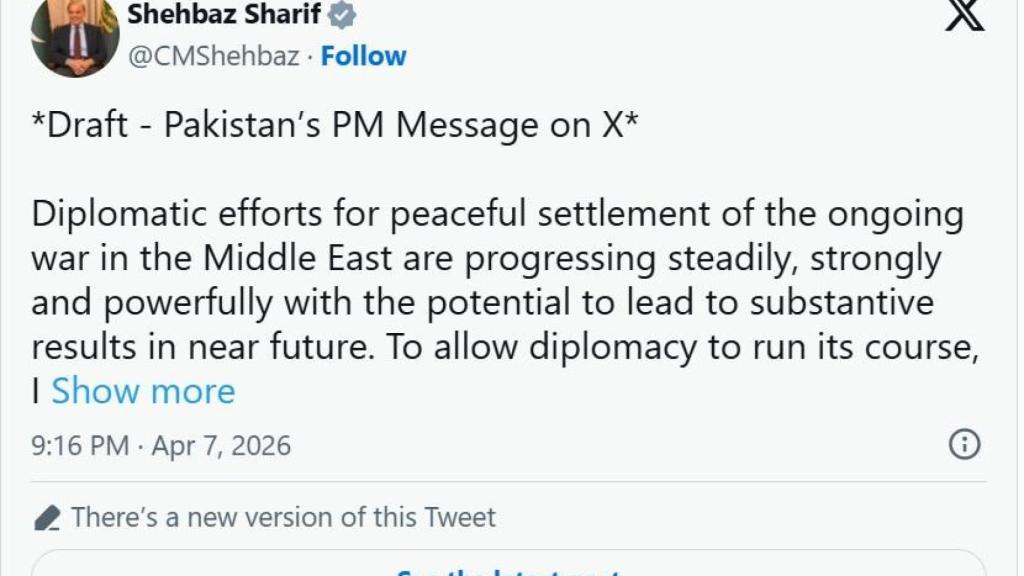
Draft message published by Pakistani Prime Minister.
X
Finally, the final edit of the message ended with the same text but without the first sentencein what seemed like a previously prepared message.
Diplomatic efforts for peaceful settlement of the ongoing war in the Middle East are progressing steadily, strongly and powerfully with the potential to lead to substantive results in near future. To allow diplomacy to run its course, I earnestly request President Trump to extend…
— Shehbaz Sharif (@CMShehbaz) April 7, 2026
Ryan Grimfounder of the subforum Drop Sitehas suggested that the message was probably not written by Sharif or his cabinet, noting that his own staff would not refer to him as “prime minister of Pakistan” in English.
His theory, he concluded, is that the publication could have been written by the United States.
Criticisms on networks
This error sparked harsh criticism from some Internet users, who lamented “the low capacity” of the Pakistani government when verifying the official publications that they are going to make on social networks.
For his part, another user of the social network also distanced himself from the conspiracy theories and assured that “it was incompetence” on the part of the administration led by Sharif.
“Governments around the world make mistakes, but when their Prime Minister’s official statement on war and delays mentions it, it raises serious questions about the discipline of the message and the quality of the staff,” he said.
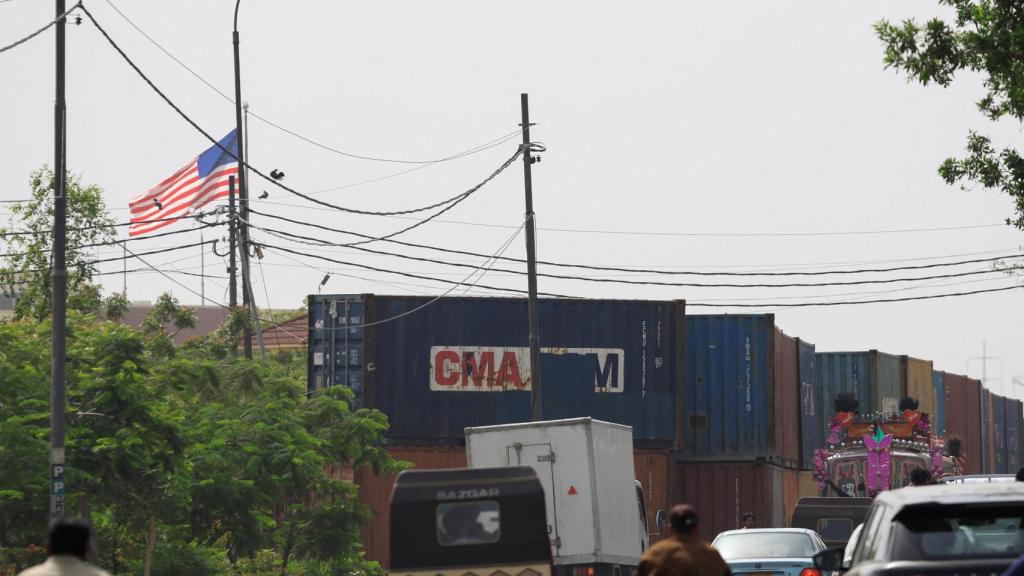
American flag at the US consulate in Karachi, capital of Pakistan.
Reuters
Meanwhile, others do fueled alleged conspiracy theoriesthat the message was not written by Islamabad.
The apparent draft label has fueled speculation that the message could have been prewritten, with several users questioning whether Pakistan’s diplomatic communication is independently crafted or externally influenced.
Firstly, it is striking that the Pakistani Executive’s communication team does not check out such an important post like this one, as it was a negotiation between two countries to put an end to a war that was taking over all the international news.
On the other hand, the tone of the message, the writing and the way to refer to your own prime ministerpoint to the idea that this text could have been prepared or at least reviewed by officials of the US cabinet itself.
Given that Pakistan’s offer is what allowed both Trump and his Iranian counterparts to push for the fifteen-day truce, there is a theory that it was a a staging with a previously agreed text to allow both sides to present their concessions as a victory over the rival.
Leave a Reply