
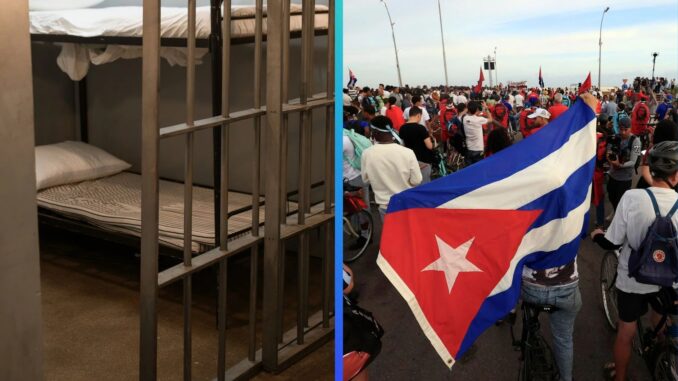
HAVANA.- The Cuban Government announced Thursday that it approved the pardon of 2,010 prisonersa decision that he described as “humanitarian and sovereign solidarity gesture” and framed in the context of the celebrations of the Easter week.
“This humanitarian and sovereign gesture was based on a careful analysis of the characteristics of the acts committed by those sanctioned, the good conduct maintained in prison, having extinguished an important part of their sanction and state of health,” said the statement from the island Government released by official media.
He also indicated that among the more than 2,000 prisoners included in this release “appear young people, women, adults over 60 years oldthose who reach the end of early release in the last semester and next year; as well as foreigners and Cuban citizens residing abroad.”
Pardoned in Cuba, “low risk”
He also pointed out that in the pardoned list people were discarded who “They committed crimes of sexual assault, pedophilia with violence, murder, manslaughter, drugs, theft and slaughter of livestock, robbery with violence or strength with the use of weapons or minor victims, corruption of minors, crimes against authority, recidivists and multiple recidivists and some who were previously granted pardon and committed new crimes.”
Likewise, he emphasizes that this “It is the fifth pardon carried out by the Cuban Government since 2011, with which more than 11,000 people have benefited.”
“This is the second release of people deprived of liberty this year, in the context of the religious celebrations of Holy Week, which constitutes a common practice in our criminal justice system and the humanitarian trajectory of the Revolution,” he added.
On March 12, the Executive of Havana reported on the release of 51 prisoners, people who – as he explained – had served “a significant part of the sentence and maintained good conduct in prison” and he framed that decision in “the spirit of good will, of close and fluid relations between the Cuban State and the Vatican.”
Since then, 24 arrested for political reasons have been released as part of that process, as reported by the ONG Prisoners Defenders (PD).
Most of those released so far participated in the anti-government protests of 11-J and served sanctions between six and 18 years in prison for crimes such as public disorder, contempt, attack and sedition.
The first releases from this process coincided with the Cuban Government’s announcement that it had begun a dialogue with representatives of the US Administration, although Havana has never linked the two issues.
Leave a Reply