
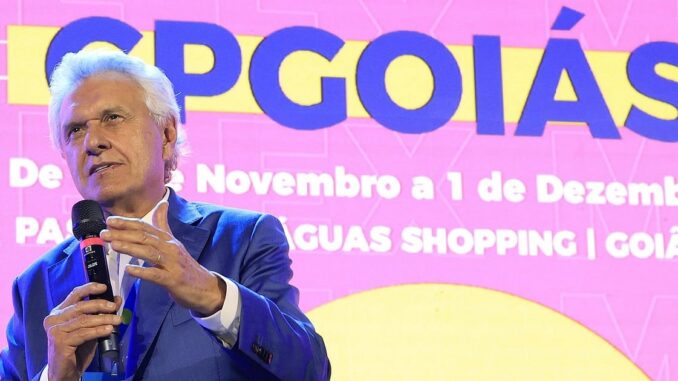
At the age of 40, he was one of the candidates for the presidency of the Republic in the first direct elections in post-redemocratization Brazil, in 1989.by another PSD with no connection to the current one. In the elections won by Collor de Mello over Lula da Silva in the second round, he was the tenth most voted in the first, with close to 500 thousand votes, equivalent to 0.7% of the total. In other words, 37 years later, Lula and Caiado face each other again in a presidential relationship. Flávio Bolsonaro, in 1989, was just eight years old.
He was then federal deputy, from 1991 to 2015, senator, from 2015 to 2019, and, since that year, governor of Goiás. Upon leaving office, approval of around 70%, which indicates overcoming ideological cleavages, motivated him to try for Planalto.
Among his assets is the fight against crime in the state, which earned him the reputation of “sheriff”. “Several surveys indicate that public security is the main concern of more than 80% of the population. And I have results to show. Goiás is an exception in Brazil. Criminals don’t breed here and crime rates have been falling for years”, he told DN in April last year.
With 4% in the polls – Ratinho scored 7%… – Caiado believes that this speech focused on public security has appeal to the electorate, as it is cited in polls, in fact, as the biggest concern of Brazilians, above the economy and health. On the other hand, the governor of Goiás attracts support in the so-called agribusiness, a sector for which he has been a spokesperson since the aforementioned 1989 presidential elections.
Considered the most right-wing of the three PSD presidential candidates – Ratinho and Leite have maintained a good relationship with the federal government over the last four years – and a fervent opponent of Lula for decades, whom he called the DN a “mix of bad character and incompetence”, Caiado could, therefore, “steal” Flávio’s speech. For José Casado, columnist for the magazine Look“Whitewash is a nuisance” for Flávio. “But he faces the difficulty of convincing right-wing voters that it is better to vote for him than for someone with the nickname Bolsonaro”, adds the newspaper The Globein a report.
On CBN radio, commentator Malu Gaspar considers that “PSDB’s focus” when nominating the politician from Goiás “is more to take votes from Flávio and not so much from Lula”. “Qualitative research, those that evaluate candidates’ personality qualities, showed the PSDB that Caiado is seen as an experienced and honest person and that Flávio is seen as inexperienced and dishonest, which encouraged the party to put Caiado in the race…”.
The so-called “third way”, however, is not limited to Caiado. Romeu Zema, former governor of Minas Gerais for the Novo party, similar to the Portuguese Liberal Initiative, also competes for right-wing and center-right voters. In addition to them, there are six more pre-candidates declaredmost of them right-wing, like Renan Santos, from the small but busy social media company Missão.
Leave a Reply