
At issue is the proposal to change the essential learning of the 12th year, which until now had two works by José Saramago as an option within the novel (“Memorial do Convento” or “O Ano da Morte de Ricardo Reis”) and which now has a book by Mário de Carvalho as an alternative (“Um Deus Passeiando pela Brisa da Tarde”).
In the short story, the proposal foresees a text by Maria Judite de Carvalho as mandatory (“George”), including several other authors on the list in reading contract: Manuel da Fonseca, Mário de Carvalho (two names that, with Maria Judite de Carvalho, already appear in the current essential learning), José Rodrigues Miguéis, Teresa Veiga, David-Mourão Ferreira, Lídia Jorge, Irene Lisboa and Luísa Costa Gomes.
Also in poetry, the proposal provides for updates: Miguel Torga, Herberto Helder, Manuel Alegre and Luiza Neto Jorge are no longer included in the list of options to include Fiama Hasse Pais Brandão, José Régio, Mário Cesariny, Ruy Cinatti, Vitorino Nemésio, Carlos de Oliveira, Raul de Carvalho, Salette Tavares (visual poems), Ana Hatherly (visual poems) and Luís Filipe de Castro Mendes.
Jorge de Sena, Eugénio de Andrade, Alexandre O’Neill, António Ramos Rosa, Ruy Belo, Vasco Graça Moura, Nuno Júdice, Ana Luísa Amaral remain on the list of contemporary poets reading in reading contract mode.
Still in poetry, it is proposed to expand the study of Fernando Pessoa’s work (more orthonym and “Message” poems) and the document now includes Cesário Verde, Mário de Sá-Carneiro and Teixeira de Pascoaes.
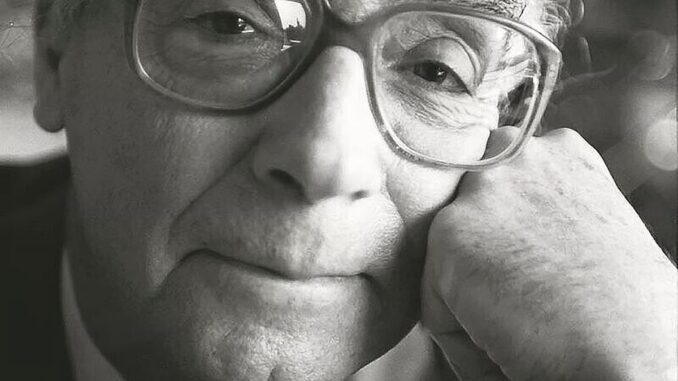
In the statement released today, the José Saramago Foundation remembers the closing of the acceptance speech for the Nobel Prize for Literature in 1998: “And now I also want to thank the Portuguese and Portuguese-speaking writers, those of the past and those of now: it is because of them that our literatures exist, I am just one more who came to join them”.
The Government placed a revised preliminary version of essential learning (AE) for public consultation on Friday, in a process that will last a month and which aims to collect contributions from the educational community, experts and society.
Leave a Reply