
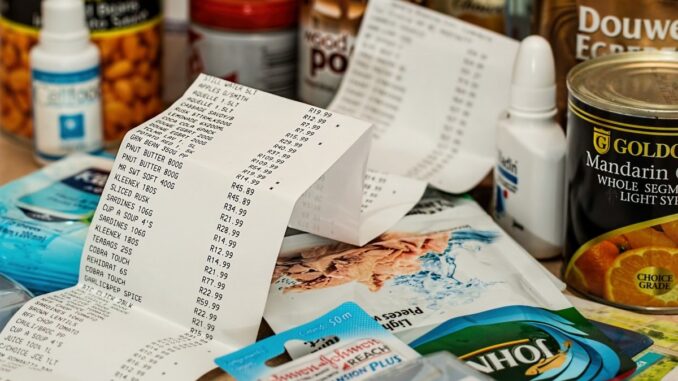
The war in the Middle East could have a direct impact on the prices of our daily products, in particular dairy products, fresh produce, and hygiene and beauty products, according to the consumer association, UFC Que Choisir, to the tune of 4 to 5%.
The war in the Middle East could have direct repercussions when it comes time to checkout. The director of the Consumer Observatory at UFC Que Choisir, Grégory Caret, estimates the increase in shelf prices at 4 to 5% in the months to come, according to an interview given to RMC.
An agreement was signed on March 1 between manufacturers and mass retailers, setting prices throughout the year, but “there are still mandatory review clauses”, he stressed. If the price of energy and fertilizers soars, “we must reopen negotiations and this must be reflected in the prices,” he explains.
Also read:
War in the Middle East: truckers demonstrate against the rise in fuel prices, despite the aid announced
Dairy products on the front line
In the short term, the first products affected will be “the products which have the fastest turnover rates, that is to say those which have short expiry dates: dairy products, fresh produce, yoghurts, etc.”, estimates the director of the Consumption Observatory.
The dairy giant Lactalis (President, Lactel, Galbani brands) announced this Thursday that it would have to “pass on” the impact of the war in the Middle East on its sales prices to consumers, while seeking to “minimize it depending on the category” of products.
Also read:
DECRYPTION. War in the Middle East: ceasefire with Iran, fuel prices… 6 questions to understand the fragile situation
Hygiene and beauty products then
Other departments will then also be impacted: “Everything that is also hygiene, beauty, because there are a lot of hydrocarbons in these products, in the packaging, and even in the manufacturing of these products,” indicates Grégory Caret. However, he assures that the increase “will not be of the same order of magnitude” as that experienced following the war in Ukraine in 2022-2023, that is to say “20-25% increase in a little over a year”.
Leave a Reply