
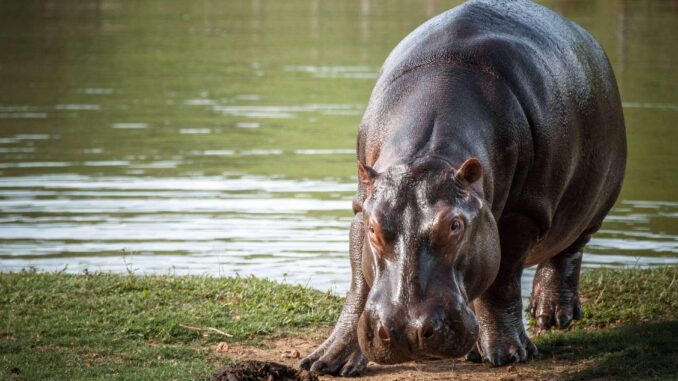
MEDELLÍN.- 80 of those called ‘cocaine hippos’ that belonged to the deceased drug trafficker Pablo Escobar They will be sacrificed after years of being considered an “ecological nightmare.”
The animals, which have been around the department of Antioch in Colombiawere illegally imported by the boss in an effort to have a “private zoo” and are considered a invasive species.
Initially it was a group of four hippos, which have reproduced, reaching more than 160 specimens in the area.
Colombia authorizes the sacrifice of Pablo Escobar’s hippos
This Monday, the government of Colombia authorized 80 of the 169 to be sacrificedin the midst of a debate about the dangers posed by invasive species and the animal welfare of hippos that have been located in the region for decades.
Irene Velezminister in charge of Environment and Sustainable Developmentreferred to the measure as “controlled euthanasia”and defended the government decision by highlighting the uncontrolled growth of the species in the Magdalena River basin.
“Without this action it is impossible to control the population, and, as we already saw, The estimates would imply that by 2030 we would have at least 500 hippos affecting our ecosystems and our native species, such as the manatee and the river turtle”.
“It is with responsibility to our ecosystem that we have to take these actions”, he said at a press conference today.
According to reports from CNNcarrying out the euthanasia plan involves an expense of two million dollars or 7,200 million Colombian pesos.
The Euthanasia of each individual will cost about $50 million Colombian pesosnot including the costs to bury the bodies, reported BBC.
In addition to euthanasia, the translocation (transfer of animals to a zoo or sanctuary in other countries) as a measure to reduce the hippopotamus population in the area.
However, The Colombian government has not found countries willing to receive the animals.
“We believe it has to do with genetic poverty and possible genetic damage that these individuals have.“explained the official.
The population of more than a hundred hippos is completely descended from the four original specimens acquired by Escobar, so their genetic diversity is very low, which increases congenital defects.
Added to this is the high cost of transporting animals.
Debate over the future of the ‘cocaine hippopotamuses’
The proposal to apply euthanasia to these specimens as a measure to counteract the ecological crisis that their presence causes is not new, and has been considered in previous years and subsequently blocked by judicial means.
Animal rights groups have carried out popular actions and protections to prevent them from being slaughtered..
Given the logistical and economic difficulties of capturing and transferring the animals to another country, the government opted for controlled euthanasia, after implementing more rigorous protocols and greater support for its justifications.
We remember that since 2022, hippos in Colombia were declared an invasive exotic species.
“Science asks us to act. Actions are essential to avoid an irreversible ecological disaster in our rivers“said Minister Vélez.
How did hippos get to Colombia?
In 1981, the then head of the so-called Medellin CartelPablo Escobar, illegally acquired several animal species from a zoo in the United States.
Escobar intended to create the “largest private zoo in Latin America.”
Among the imported species were zebras, elephants, giraffes and the four hippos: three females and one male.
After being shot down in 1993, most of the animals were relocated or died. Those also called ‘narco hippos’ They were released due to their aggressiveness and the high cost of capturing them and transferring them to a zoo or sanctuary.
The environmental authorities considered that the population would not adapt to the Colombian lakes in the surroundings of the Hacienda Napoleswhere the boss kept them, and they would end up dying, or that their population would remain controlled.
However, the species reproduced without control. Being an invasive species, and aggressive by nature, in the following years they represented an environmental risk for native species and even for people.
Leave a Reply