
The United States and Iran maintain diplomatic contacts through various channels, but the ceasefire in force since April 8—and which expires on the 22nd—hangs by a thread. US President Donald Trump declared to ABC News who does not consider necessary a extension of the bilateral truce and advance news in the next 48 hours.
Trump says negotiations with Iran ‘are happening’
However, officials in his own administration acknowledged that an extension of the ceasefire remains on the table, as negotiators work to unclog three sticking points that derailed the first round of talks in Islamabad last weekend.
You may also be interested in: Trump affirms that Israel and Lebanon agreed to a 10-day ceasefire
White House spokeswoman Karoline Leavitt confirmed that the negotiations “are being carried out” and that Washington is “optimistic about the prospects for an agreement.” Islamabad would host a second round of direct dialogueaccording to the same official.
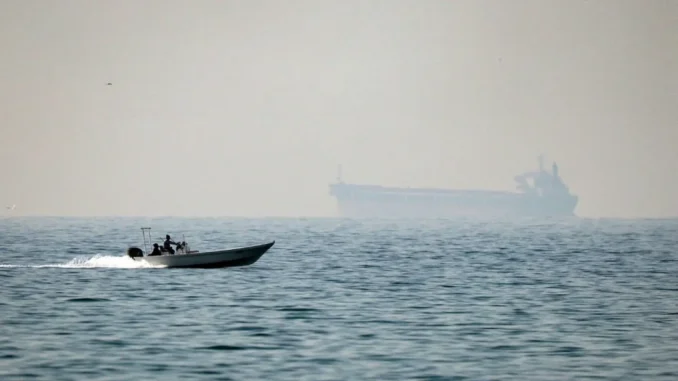
The tension escalates in parallel to diplomacy. After the failure of the talks in Pakistan, the US Central Command (CENTCOM) imposed a maritime blockade on Iranian ports and claimed to have achieved the “maritime superiority” in the region, with nine Iranian vessels forced to turn back within 36 hours.
However, satellite tracking data from provider Kpler suggests that at least three vessels linked to Iran crossed the Strait of Hormuz after the blockade came into effect.
Mohsen Rezaei, military adviser to Supreme Leader Mojtaba Khamenei and former commander of the Revolutionary Guard, declared on state television that US ships “will be sunk by our missiles” if Washington insists on “watch” the strait
Iran, for its part, threatened to obstruct transit through the Red Sea in retaliation for the blockade, a route to which it does not have territorial access but over which it exercises influence.
Leave a Reply