
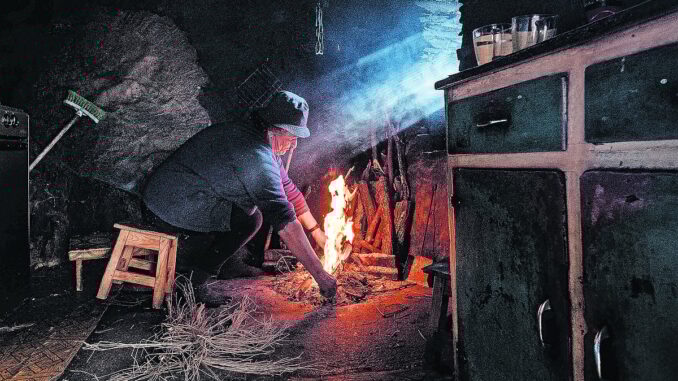
Four organizations alerted this Tuesday, 11th, to the existence of more than 600 thousand people in severe energy poverty, for which solutions are inefficient, and left suggestions, such as more structured and integrated programs.
According to the organizations, failures in energy efficiency programs “aggravate families’ frustrations”, which is why there should be support programs that respond to the real needs of homes, such as thermal insulation and replacement of windows and doors, to the detriment of solutions focused solely on air conditioning.
It was also important to reinforce the response capacity of the responsible entities, guaranteeing qualified and sufficient human resources.
In a statement, the four organizations involved in combating energy poverty (Coopérnico cooperative, GEOTA, EAPN Portugal/European Anti-Poverty and Zero Network), with university researchers, estimate that there are between 1.8 and three million people in a situation of energy poverty, of which more than 600 thousand are in a severe situation, with profound energy deprivation, “with direct impacts on people’s health, comfort and dignity”.
According to the statement, programs to support people in energy poverty have complicated procedures, and need reinforcement of human and technical resources, greater transparency in communication with beneficiaries, more effort in reaching those who need it most and better monitoring and evaluation.
Those responsible refer to the programs already implemented, such as “More Sustainable Buildings”, “Vale Eficiência” and, more recently, E-Lar, which “have accumulated reports of dissatisfaction and complaints from candidates, highlighting significant flaws in the processes and generating distrust and frustration”.
The programs point out, among other problems, a lack of qualified human resources, slow process evaluation and excessive complexity, or long response and reimbursement deadlines.
The “More Sustainable Buildings” program, with high demand and limited response capacity, ended up benefiting mainly families with greater economic capacity, say the authors of the document, adding that the “Vale Eficiência” registers prolonged delays in processing applications and access to support is difficult for people with low digital literacy.
The “E-Lar” program, launched in August 2025, focuses on replacing gas equipment with electrical solutions, not including structural interventions in buildings, which limits the impact on combating energy poverty.
In the statement, the organizations leave other recommendations to improve the programs, such as ensuring a flow of clear and accessible information to all audiences, strengthening local support from local intermediaries such as local authorities, associations and technicians, or implementing real-time monitoring systems for the programs.
The State Budget for 2026, they add, must complement community funds and create a tax incentive (for example in the IRS) for investments in energy efficiency and renewable energy, a non-refundable financing scheme aimed at vulnerable families, and a line of financial, technical and legal support for the creation of renewable energy communities by local authorities and social sector entities.
Leave a Reply